
In the sheet metal fabrication industry, bending machines are core equipment in almost every factory. Whether it's sheet metal bending or pipe forming, the bending process has a direct impact on product accuracy, appearance, and assembly quality. However, in real production environments, many manufacturers encounter recurring problems that increase rework rates, reduce efficiency, and affect delivery schedules.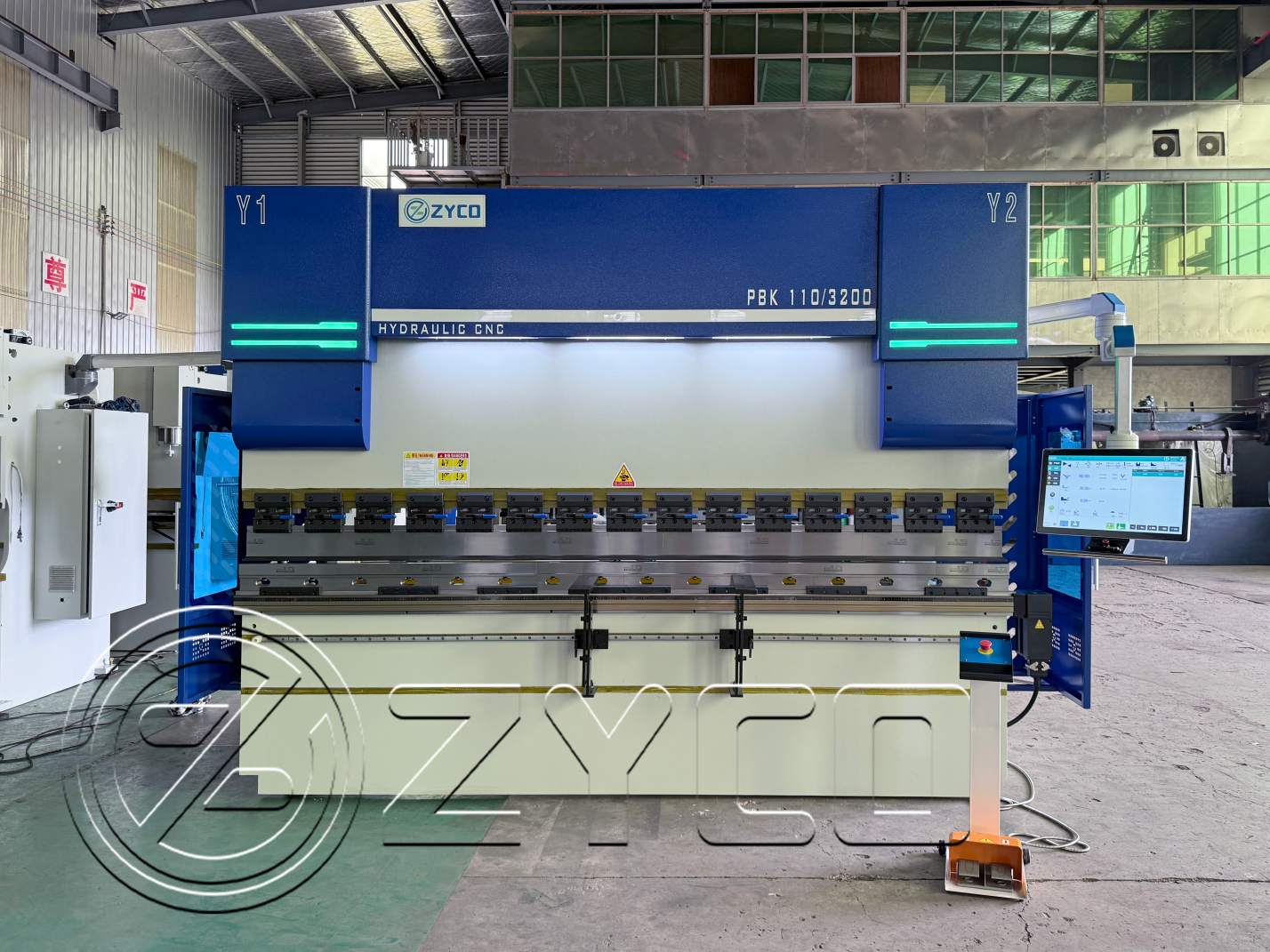
This article provides a structured overview of the most common problems associated with bending machines, helping manufacturers better understand the root causes and identify practical optimization approaches.
Although modern bending machines have made significant progress in automation and accuracy, some inherent limitations remain in practical use:
· High sensitivity to material differences
Different materials such as stainless steel, aluminum, and galvanized steel exhibit varying levels of springback, requiring frequent parameter adjustments.
· Strong reliance on operator experience
Even with CNC bending machines, improper tooling selection or incorrect process settings can lead to defective parts.
· Surface damage on thin sheets
Indentation and scratching are common issues, especially in decorative stainless steel applications.
These disadvantages are not equipment defects but are largely related to the physical characteristics of the bending process itself.
In daily production, the following bending defects are frequently encountered:
Angle variations within the same batch are often caused by:
· Uneven material thickness
· Incorrect springback compensation
· Improper die opening selection
This issue is particularly critical in stainless steel and decorative panels, where surface quality is highly visible.
Thin sheets may wrinkle or distort when the bending radius is too small or the bending force is excessive.
Compared with sheet metal bending, tube bending requires stricter process control. Typical problems include:
· Wall collapse on the inner radius
· Oval deformation of the tube cross-section
· Inaccurate bending position
A major technical challenge in tube bending is maintaining structural integrity while achieving accurate angles and consistent shapes.
Many users assume that CNC bending machines eliminate errors once the program is set. In reality, common issues still occur:
· Mismatch between program parameters and actual material properties
· Tool wear that is not recalibrated in time
· Accuracy drift after long-term machine operation
Without regular calibration and process optimization, CNC bending machines can also experience quality fluctuations.
Fundamentally, bending processes face two unavoidable challenges:
All metals exhibit elastic recovery after bending. It is difficult to completely eliminate springback through bending alone.
When strict internal radius requirements are needed, single-step bending often cannot achieve the desired result.
More and more high-end sheet metal manufacturers are adopting a V grooving + bending process combination.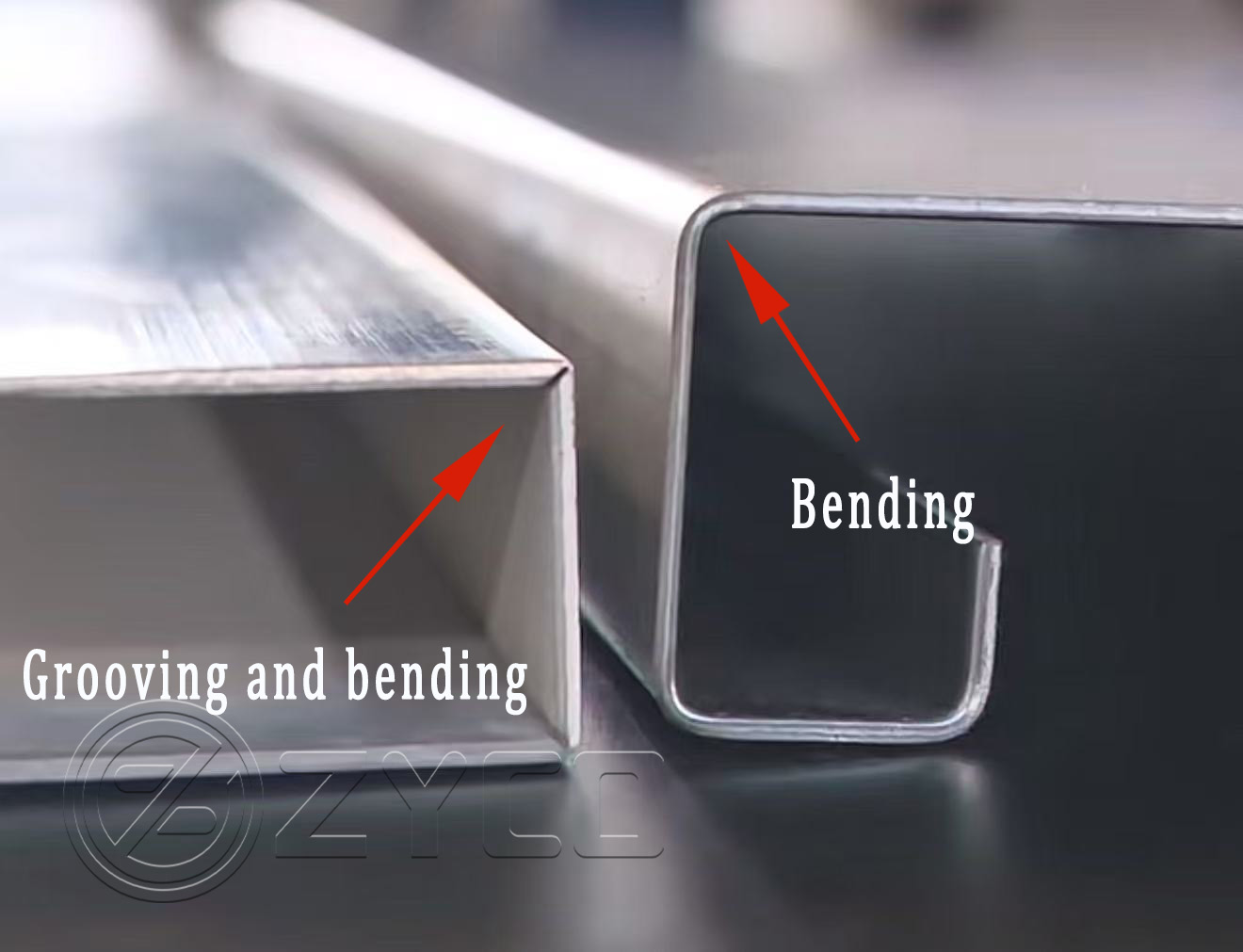
By performing V-groove cutting before bending, manufacturers can:
· Significantly reduce springback
· Achieve sharper, more precise bend lines
· Lower bending force and minimize surface indentation
· Improve consistency in batch production
In applications such as stainless steel decorative panels, door frames, and elevator panels, V grooving has become a key method for improving bending quality.
Bending machines themselves are rarely the root cause of production issues. Product quality is ultimately determined by the interaction between equipment, process design, and material selection. A clear understanding of common bending problems and limitations allows manufacturers to optimize their production workflows more effectively.
For sheet metal factories that prioritize appearance quality and batch consistency, a systematic approach to process optimization—rather than simply upgrading equipment—often delivers the most reliable results.

Leave your email address and requirements, our professional sales team will develop the most suitable solution for you.


Copyright © 2026 Nanjing Zyco Cnc Machinery Co., Ltd. All Rights Reserved.
 Network Supported
 English
 français
 Deutsch
 italiano
 русский
 português
 español
 한국의
한국의 Türkçe
 العربية